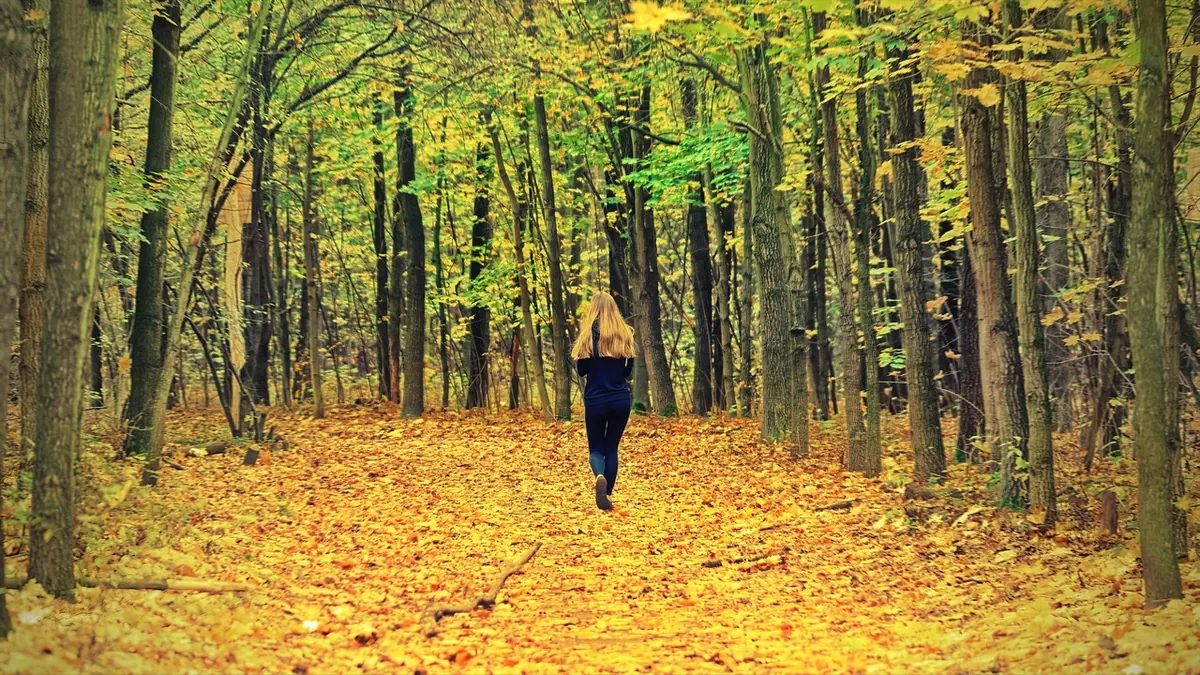
Ask a modern pilgrim about their pack and you will hear about grams, merino and blister plasters. Ask a fourteenth-century one and the answer starts with wood: a staff cut to shoulder height, a leather satchel, and a cloak heavy enough to sleep in. Pilgrimage to Santiago de Compostela was not a hiking holiday with a souvenir at the end. It was a penitential journey of weeks or months, often made on foot, and the kit people carried was shaped by that reality.
There is no single medieval packing list. But the sources come close. The twelfth-century Codex Calixtinus, whose fifth book is a practical guide to the roads to Santiago, sets out what the journey demands — routes, hospices, river crossings, the tricks of dishonest ferrymen. Hundreds of wills from England, France and the Low Countries name the gear men and women took with them, or left behind so that somebody else could go in their place. Lay those records side by side and a working kit emerges.
The Three Items a Pilgrim Was Blessed With
Staff, scrip and cloak were not merely equipment. They were the uniform, and English pontificals include a ceremony for blessing the pilgrim's scrip and staff at the church door before departure. Leave without them and you were not a pilgrim; you were a traveller.
The staff — the bourdon — was ash or hazel, cut to about shoulder height, with an iron ferrule at the bottom to stop it splitting on stone. A small hook or fork near the top carried a water gourd, and the shaft doubled as a prop on slippery climbs and a deterrent to the dogs that guarded farmyards. The scrip was a satchel of leather or heavy cloth worn on a strap across the body: deliberately small, because it held the day's food rather than a week's. The cloak was thick wool, hooded, usually russet or undyed brown. It was coat, blanket, pillow and, in a downpour, tent.
What Went Inside the Scrip
Hospitality was the medieval pilgrim's infrastructure. Monasteries, town hospitals and private hostels offered bread, water and a bed, which meant you carried food for the road rather than for the journey. A typical day's contents looked something like this:
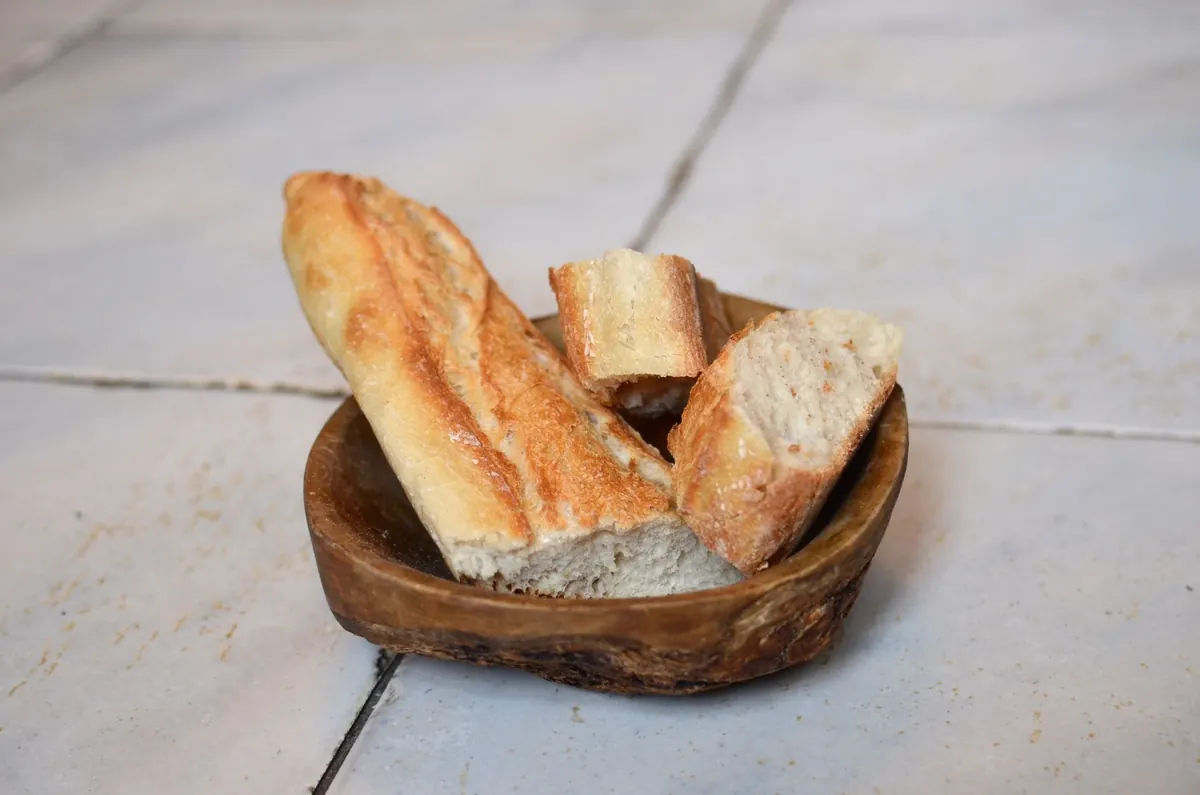
- A loaf of bread, hard cheese, and a lump of salt
- Garlic or onion — cheap, keeps well, and improves dull rations
- A leather bottle of weak wine, ale or cider, and a hollowed gourd for water
- A small knife, a wooden or horn spoon, a cup
- Needle and thread, and spare leather laces for shoes that will fail
- A comb, because lice and matted hair were ordinary facts of travel
- Flint, tinder and a candle stub for lighting fires in cold lodgings
- A lump of tallow or grease and strips of linen for the feet
What You Wore, and What You Carried Spare
Clothing was layered wool: linen shirt or shift against the skin, a woollen tunic, hose tied with points, and the cloak over everything. Nobody carried a wardrobe. Most pilgrims had one change of linen and one spare pair of hose, which they washed when they could and wore damp when they could not.
Shoes deserve their own paragraph. A medieval road meant mud, flint, water and long miles, and footwear was the most common failure point. Pilgrims wore stout leather shoes or ankle boots, sometimes with hobnails for grip, and carried a second pair or at least spare laces and a patch of leather. The broad-brimmed pilgrim hat kept sun and rain off the face and later became the display case for badges — above all the scallop shell of St James, sold at Santiago and sewn onto the brim on the way home.
Money, Paper and Proof
Coins went in a small purse worn close to the body, not in the scrip. The sums were modest; the point was to pay for ferries, bridges, tolls, beds and food where charity ran out. Those with connections to merchant houses might carry a letter of exchange rather than a heavy pouch of silver.
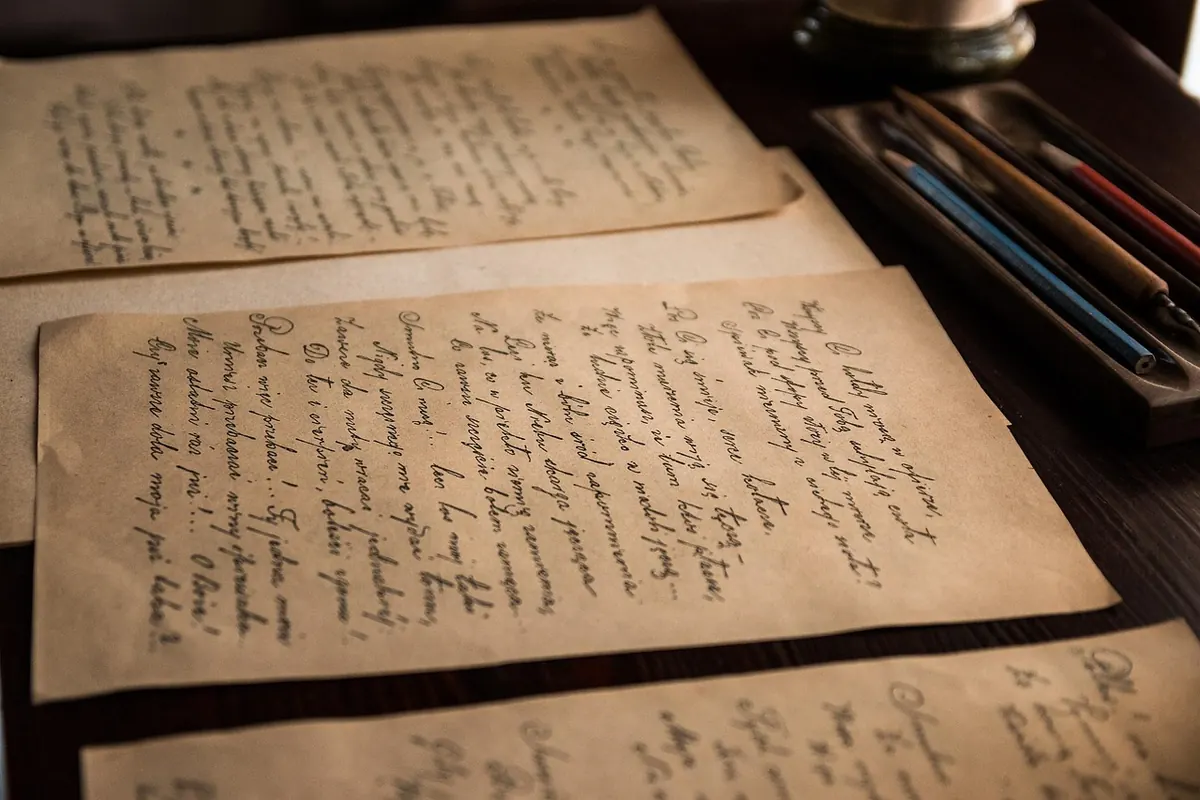
Documents mattered more than most modern pilgrims expect. A traveller moving between lordships wanted a letter of safe conduct or a sealed testimonial from a bishop, abbot or lord, both to pass checkpoints and to prove the right to beg at hospital doors. At the end, the cathedral chapter at Compostela supplied proof of arrival. Pilgrims collected that evidence carefully — it was the receipt for a vow performed.
What the Wills Add
Testaments are where the list becomes human. English wills of the fourteenth and fifteenth centuries routinely name a pilgrim's staff, a russet gown, a pair of beads, a cloak bequeathed to a son. Others leave money so that a hired pilgrim could walk to a shrine on the testator's behalf, carrying somebody else's vow along with his own gear. The equipment was valuable enough to itemise and pass on, which tells you how much it cost relative to a labourer's wage.
Wills also record the small comforts: a blanket, an extra shirt, a rosary, a little silver cross, a purse of pennies for alms along the way. Pilgrims did not carry bedding — they relied on hospitals — but a thin woven blanket against cold floors was a common bequest, and a spare pair of shoes appears often enough to be a warning.
Weight, Weather and Feet
Carry less than you fear you need
The single most consistent lesson from the sources is that pilgrims travelled light. Villages, farms and shrines punctuated every route to Santiago; the Codex Calixtinus itself is largely a description of what is available between stops. Food for three days, not three weeks.
Protect the feet first
Wash feet at the end of each day, dry them thoroughly, grease them against chafing, and keep the linen wraps clean and flat. Walk in the shoes you will wear, not new ones. Any persistent wound, swelling or loss of sensation in the feet needs proper medical attention rather than folk remedies, whether you are walking now or studying 1140.
Plan for water and cold
Water was not always safe and rivers were not always bridged. The guidebook writers linger on fords and ferrymen for good reason. A gourd, a bottle, a warm hood and a dry cloak solved most of the problems the road presented.
Packing the Medieval Way Today
If you are building a kit for reenactment, writing a character, or simply want a lighter rucksack on the Camino, the medieval list is a good editor. Take a staff. Keep the bag small enough that you can close it. Choose one cloak and one spare set of linen, not four outfits. Carry salt, needle, thread, grease and a knife, and treat your shoes as the most important object you own. Everything else, as a fourteenth-century pilgrim would have told you, can be found at the next hospital door.
Photo: Surprising_Media / Pixabay